What is Generative AI?
Generative AI refers to artificial intelligence systems capable of producing original content, such as text, images, and music, by learning from existing data patterns. This technology empowers businesses to enhance creativity, streamline workflows, and drive innovation across various applications and industries.
Introduction
As the digital landscape continues to evolve, integrating generative AI into coding practices is revolutionizing the approach to various business tasks. Generative AI technologies, which enable machines to produce human-like text, images, and even code, are becoming invaluable tools in software development and data analysis. This blog will reflect on the adoption of generative AI in the context of Python coding, exploring how this approach works, its benefits and concerns, and its potential impact on future practices and lifelong learning for digital business professionals.
Understanding Generative AI in Coding
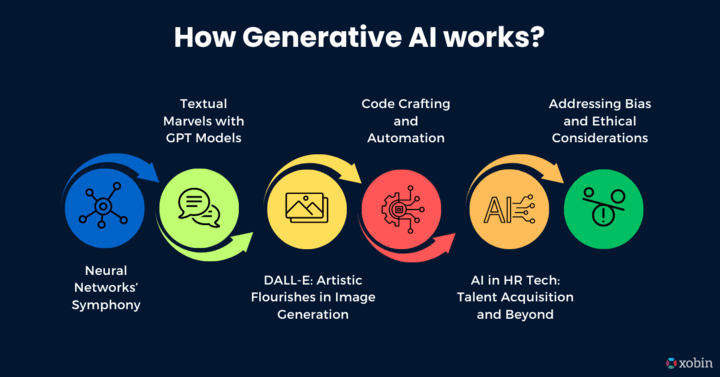
Generative AI refers to algorithms that can create new content, automating tasks that traditionally require human intelligence. In coding, this can manifest as AI-powered tools that assist in writing code, suggesting solutions, and even generating entire code segments based on user input. For instance, tools like GitHub Copilot utilise machine learning to analyse vast amounts of code from various repositories, providing context-aware suggestions as users write their code.
Benefits of Using Generative AI in Coding Practice
Increased Efficiency
Generative AI in coding significantly saves time by automating routine tasks, allowing developers to complete projects faster. For instance, generating boilerplate code or data transformation scripts can save considerable time, making developers feel more efficient and productive and giving them more time to invest in complex problem-solving and innovative features.
Enhanced Learning Opportunities
Generative AI provides a unique learning environment for budding coders. Access to instant code examples and suggestions lets people quickly learn coding constructs and best practices. It’s often experiment with the suggestions generated by the AI, leading to a deeper understanding of Python programming.
Improved Code Quality
AI-based tools often employ best coding practices derived from analysing vast amounts of code written by experienced developers. Generative AI can help reduce errors and improve overall code quality by suggesting optimised code snippets. This aspect is particularly crucial in business environments where reliability is essential.
Encouraging Innovation
Generative AI fosters a climate of innovation by providing developers with novel ideas and solutions that may not have been considered previously. Exploring various coding options quickly allows users to experiment with new algorithms or techniques, encouraging creative approaches to coding challenges.
Concerns of Using Generative AI in Coding Practice
Overreliance on AI
A significant concern with generative AI is the risk of overreliance. As users become accustomed to AI assistance, there is a possibility of losing problem-solving and critical thinking skills. It is crucial to remember that while AI can assist with coding, it should not replace foundational knowledge and skills. Maintaining a strong grasp of core competencies is essential for effective and independent problem-solving in programming and other fields.
Quality Control and Context Understanding
Although generative AI can produce code snippets quickly, these suggestions may not always be optimal or contextually relevant. Without a strong understanding of the underlying concepts, there is a risk of integrating inefficient or unsuitable code into projects. Vigilance and critical assessment of AI-generated outputs are essential.
Ethical and Security Concerns
The use of generative AI in coding also raises ethical and security issues. There are questions about data privacy, ownership of AI-generated code, and the potential bias in AI algorithms. Ensuring transparency and data integrity is vital, especially for businesses that handle sensitive information.
Impact on Future Practice and Lifelong Learning
Reflecting on my experience of using generative AI in Python coding, it’s clear that this technology will profoundly influence my future as a digital business professional. Here are some ways it will shape my practice:
- Continuous Learning and Adaptation
As the technology and coding landscape evolves, so must my skills and knowledge. Embracing generative AI means committing to continuous learning, staying updated on new tools and best practices, and refining my coding abilities. This adaptability is essential in a rapidly changing digital world.
- Ethical Considerations
Understanding the ethical implications of using AI is critical for future practices in the field. As AI is integrated into various workflows, prioritizing responsible usage will ensure that ethical considerations inform decisions, particularly concerning data handling and algorithmic bias. This commitment to ethical standards is essential for fostering trust and accountability in AI applications.
- Hybrid Skill Development
Moving forward, it is essential to develop a hybrid skill set that combines traditional programming skills with AI literacy. Understanding how to work alongside AI will empower professionals to leverage these tools effectively, enhancing overall productivity while maintaining strong coding proficiency. This approach fosters a more versatile skill set that aligns with the demands of the evolving digital landscape.
- Collaboration with AI
Rather than viewing generative AI as a replacement for human coders, adopting a collaborative mindset allows AI to be utilized as a supportive tool. This approach encourages leveraging the strengths of AI while cultivating insights and unique contributions to projects. Emphasizing collaboration fosters creativity and innovation in coding practices.
Conclusion
The integration of generative AI into the study of Python coding represents a significant shift in the approach to coding tasks. By enhancing efficiency, improving learning opportunities, and fostering innovation, generative AI transforms the overall coding experience. However, mindful adoption is crucial, as overreliance and ethical concerns must be carefully managed to ensure responsible use and optimal benefits.
As the landscape of generative AI technology continues to evolve, there is a commitment to lifelong learning and ethical responsibility. Ensuring that generative AI serves as a powerful ally in the journey as a digital business professional is essential. Striking a balance between leveraging AI’s capabilities and honing skills will be key to driving innovation and achieving success in future endeavors.
References
- Goodfellow, I., Bengio, Y., & Courville, A. (2016). Deep Learning. MIT Press.
- OpenAI. (2021). Codex: The Model Behind GitHub Copilot. Retrieved from https://openai.com/research/codex
- Schwartz, E. (2021). AI-Powered Coding: How Generative AI Can Transform Programming. Journal of Digital Innovation, 5(2), 45-60.
- Johnson, A. (2021). Generative AI in Programming: The Future of Coding? Journal of Technology in Business, 15(3), 20-34.
- GitHub. (2021). Introducing GitHub Copilot: Your AI Pair Programmer. Retrieved from https://github.com/features/copilot
- Vincent, J. (2021). How AI is Changing the Way We Code. TechCrunch. Retrieved from https://techcrunch.com/2021/06/29/how-ai-is-changing-the-way-we-code/
 Lina's MSC Information Systems and Digital Transformation blog
Leave a comment